


Introducing a new puppy to your current dog is often an exciting process, and many dogs will become fast friends and eas...
Read MoreAdopt Me

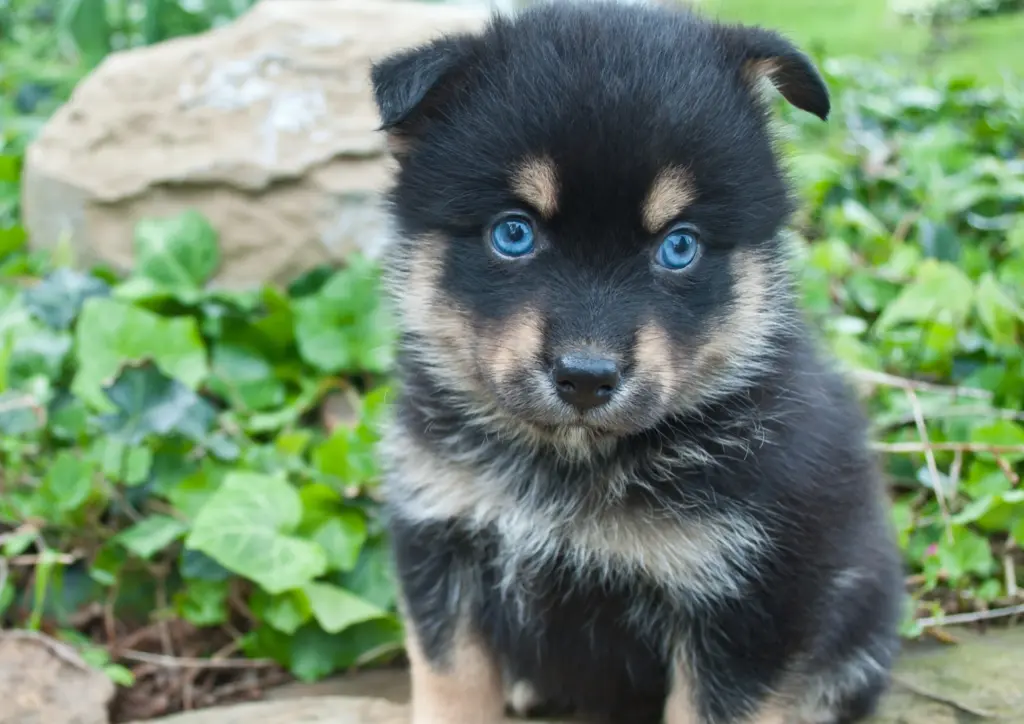

A Pomsky blends the bold charm of a Pomeranian with the spark and beauty of a Siberian Husky. Many families love this small to medium companion for its expressive eyes, fluffy coat, and bright mind. Pomskies are playful, people focused, and eager to join daily life. They can also be vocal and spirited, which makes early training and structure important.
The adoption journey starts with research. Learn the breed’s exercise needs, shedding patterns, and training style so you can match your lifestyle. Then explore local shelters, all-breed rescues, and breed-focused groups. Husky and Pomeranian rescues often accept mixed breeds, including Pomskies. You can also browse curated adoption listings on Dog Academy. Dog Academy gathers verified postings to make it easier to find available Pomsky dogs without endless searching.
Finding a Pomsky through adoption can take time. Demand is high and supply is limited, so waitlists are common. Many organizations use a structured process that includes an application, veterinary or personal references, landlord approval when needed, and a meet-and-greet with resident pets. Some rescues request a home check or ask about secure fencing due to Husky-like curiosity and escape attempts. Patience helps. The right match is worth the wait.
Adoption fees for a Pomsky are often higher than average due to demand and routine veterinary care. Expect about $250 to $650 in most regions. Puppies and young adults tend to sit near the top of that range. Age, location, medical work completed, and included services like microchipping or training vouchers can shift the fee. You may also budget for supplies, a crate, grooming tools, and a first vet visit.
Plan for a decompression period during the first 2 to 3 weeks. Keep a steady routine for meals, potty breaks, and sleep. Set up a quiet rest area and consider crate training to prevent accidents and overexcitement. Many Pomskies are affectionate and curious but can be unsure in new spaces. Reward calm choices. Short sessions of engagement build trust and reduce stress barking or whining.
Exercise a Pomsky every day. Aim for brisk walks plus interactive play and training games. Many do well with 45 to 60 minutes of physical activity split into shorter blocks. Add mental work like nose games, puzzle feeders, and short training sessions to prevent boredom. Recall can be a challenge due to independent Husky traits, so practice on a long line and use secure areas. Teach loose-leash walking early and keep outings positive and predictable.
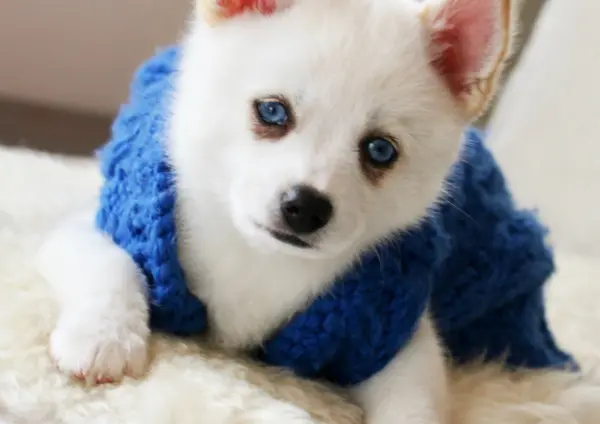
Grooming focuses on a thick double coat that sheds year-round and blows seasonally. Brush 2 to 3 times per week and daily during heavy shedding. Bathe as needed and trim nails every 3 to 4 weeks. Clean ears and brush teeth regularly. Feed a balanced diet that suits a small to medium active dog, typically split into 2 meals to support steady energy and prevent overeating. Most Pomskies are bright, sensitive, and sometimes stubborn. Use reward-based training with clear markers, generous reinforcement, and short, upbeat sessions. For expert support, explore Dog Academy’s online and in-person training. You can follow self-paced courses at home or choose professional in-person coaching for leash skills, recall, and polite manners.
|
Is It a Good Idea to Adopt a Pomsky As Your First Dog?A first-time owner can succeed with a Pomsky, but it takes preparation. This breed mix is smart, energetic, and vocal. Training is not overly difficult, yet consistency matters because independence and curiosity can lead to pulling, chasing, or door dashing. Mental stimulation is as important as exercise. Plan daily training, enrichment, and thoughtful socialization to prevent nuisance barking and frustration. Handling is manageable for most adults since many Pomskies weigh 15 to 30 pounds, though size varies. Good leash skills and impulse control make outings easier and safer. New owners often benefit from a clear plan, a calm routine, and professional guidance. Dog Academy training can help you build skills step by step and solve problems before they grow. |
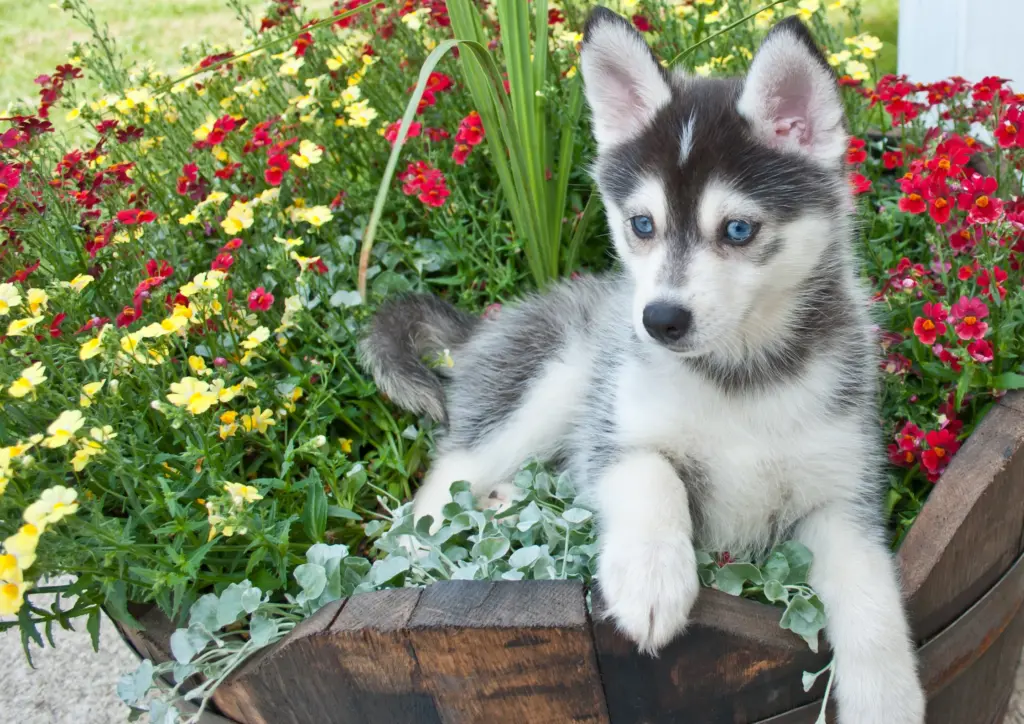
Adopt the Right Pomsky for YouTake time to learn the breed, set a realistic budget, and picture your routine. A Pomsky thrives with regular exercise, steady training, and patient care. When you match energy levels and expectations, you set your new companion up for a happy, healthy life. Dog Academy helps you adopt the right Pomsky by curating up-to-date listings and offering expert guidance for every step. After adoption, access self-paced online programs or professional in-person support to build reliable manners and confidence. With preparation and the right training plan, you and your Pomsky can succeed together. |
|

Introducing a new puppy to your current dog is often an exciting process, and many dogs will become fast friends and eas...
Read More
Rescue dogs can make great companions and can transform your home into something better. These dogs make great pets and ...
Read More
You should never rush to pet a dog. Even dog owners make the mistake of approaching unfamiliar dogs and petting them rig...
Read More
Puppy mill dogs are survivors who have endured extreme hardships in their lives. They have grown up in horrendous, unsan...
Read More
With their wagging tails and comforting presence, adopting a dog can add a unique touch to your life. It’s a heart...
Read More
Older dogs may have a few gray hairs around the edges, but that doesn’t mean they can’t make wonderful companions! T...
Read More