Introducing a new puppy to your current dog is often an exciting process, and many dogs will become fast friends and eas...
Read More
How to Introduce a New Puppy to Your Dog
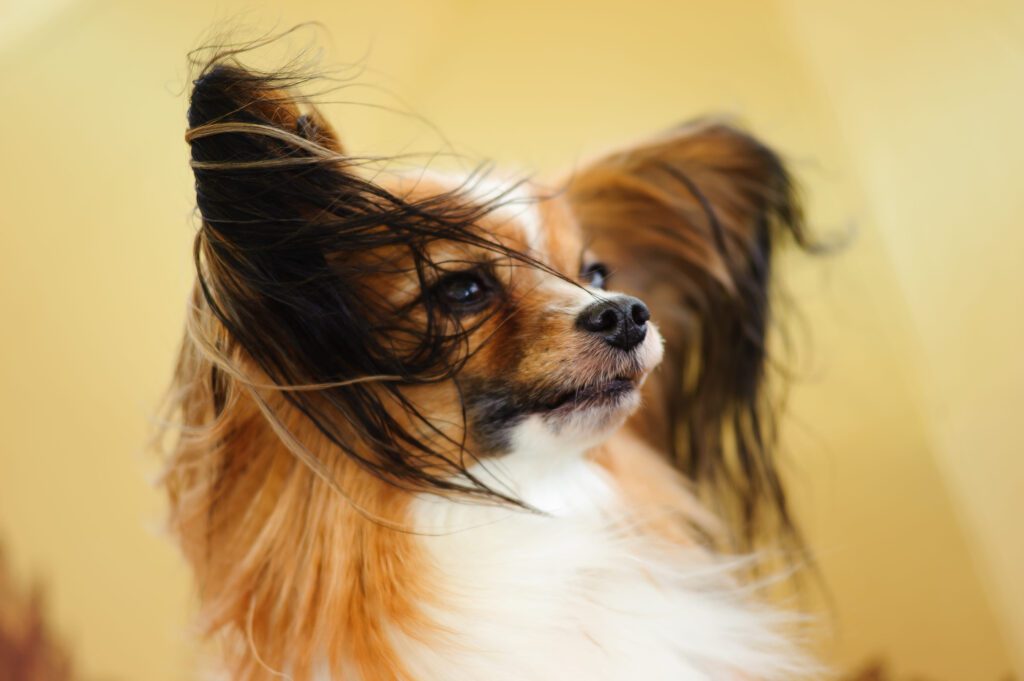
The Papillon Dog is bright, elegant, and full of charm. Those butterfly ears turn heads, but the real appeal is the lively mind and joyful attitude. Papillons bond closely with their people, enjoy learning tricks, and fit well into many homes. They are small and portable, yet surprisingly athletic. If you want a smart companion who loves to engage, a Papillon can be a wonderful match.
The adoption process starts with research and patience. Check local shelters, all-breed rescues, and breed-specific groups. You will likely complete an application, provide references, and confirm housing rules. Many groups schedule a phone interview, a meet-and-greet, and sometimes a home visit. The goal is a safe and lasting placement, so the screening can feel detailed. That is normal and helpful.
Finding a Papillon available for adoption can take time. Purebred Papillons do appear in shelters, but most are placed through rescue networks. Small, popular breeds are claimed fast and puppies are rare. You may see more adults and seniors than young dogs. Build a search radius across nearby cities and be ready to join a waiting list. To make this easier, browse curated listings on Dog Academy. Dog Academy brings together current adoption opportunities so you can spot available Papillon Dogs faster and apply with confidence.
Learn about the breed before you apply. Papillons are highly intelligent and sensitive. Many are vocal and alert. They need daily mental work and steady routines. Their silky coat is low odor but needs regular brushing. Their small size means they are easy to handle, yet they are still active dogs that thrive on training and play. Good preparation leads to smooth adoption and fewer surprises.
Expect a typical adoption fee in the range of $300 to $450 for a Papillon from a shelter or rescue. Fees vary with age, region, and medical care provided. Spay or neuter, vaccines, and a microchip often come included, which adds value. Plan a starter budget for a crate, bed, leash, food, and a first vet visit. Training is also an important investment and pays off for the life of your dog.
The first weeks are about trust and routine. Give your Papillon a quiet space, consistent meal times, and predictable walks. Expect some uncertainty in a new environment. Many Papillons relax after the first 3 days and settle within 3 to 4 weeks. Keep greetings calm and use a crate or pen to support rest and house training. Reward calm behavior. Avoid punishment. This breed responds best to gentle guidance.
Papillons need daily activity, but not marathon runs. Aim for 2 short walks plus several play or training sessions. They excel at trick training, rally, and light agility. Use food rewards and toys. Keep sessions short and upbeat. Teach cues like sit, down, stay, and come. Add enrichment with food puzzles and hide-and-seek games. Manage barking with reward-based quiet training. For structured help, enroll in Dog Academy’s online and in-person training. Programs are expert-led and supportive, which sets a clear path for reliable manners and long-term success.
Brush the coat 2 to 3 times per week to prevent tangles in ear fringes and tail feathering. Bathe about monthly or as needed. Check ears and nails weekly. Daily dental care is important for small breeds. Feed a high-quality small-breed formula in measured meals, usually 2 times per day. Watch body condition since extra weight strains the knees. Many Papillons are social and affectionate, yet they can be sensitive. Use positive experiences to build confidence around new people and places.
For a first-time owner who is ready to train, a Papillon can be a very good choice. They are easy to handle physically and love to learn. Training is not hard when you use rewards and keep lessons fun. The main challenges are mental energy and the tendency to bark. House training may take patience due to a small bladder. Gentle, consistent routines work best.
Provide daily brain work and short walks. Supervise around young children who may handle a small dog too roughly. Keep furniture jumps reasonable to protect delicate joints. If you want guidance, Dog Academy training can help you build solid skills from day one and prevent common mistakes.
A successful adoption comes from clear expectations and steady preparation. Understand the Papillon’s bright mind, moderate exercise needs, and regular grooming. Plan reward-based training, social time, and enrichment games. These steps create a confident companion who fits your home and lifestyle.
Use Dog Academy to explore curated Papillon adoption listings and find a match more quickly. Then follow up with Dog Academy’s online and in-person training for expert guidance that supports long-term success. With patience and a solid plan, you can adopt the right Papillon Dog and enjoy a happy partnership for years to come.
Introducing a new puppy to your current dog is often an exciting process, and many dogs will become fast friends and eas...
Read More
Rescue dogs can make great companions and can transform your home into something better. These dogs make great pets and ...
Read More
You should never rush to pet a dog. Even dog owners make the mistake of approaching unfamiliar dogs and petting them rig...
Read More
Puppy mill dogs are survivors who have endured extreme hardships in their lives. They have grown up in horrendous, unsan...
Read More
With their wagging tails and comforting presence, adopting a dog can add a unique touch to your life. It’s a heart...
Read More
Older dogs may have a few gray hairs around the edges, but that doesn’t mean they can’t make wonderful companions! T...
Read More