


Introducing a new puppy to your current dog is often an exciting process, and many dogs will become fast friends and eas...
Read MoreAdopt Me
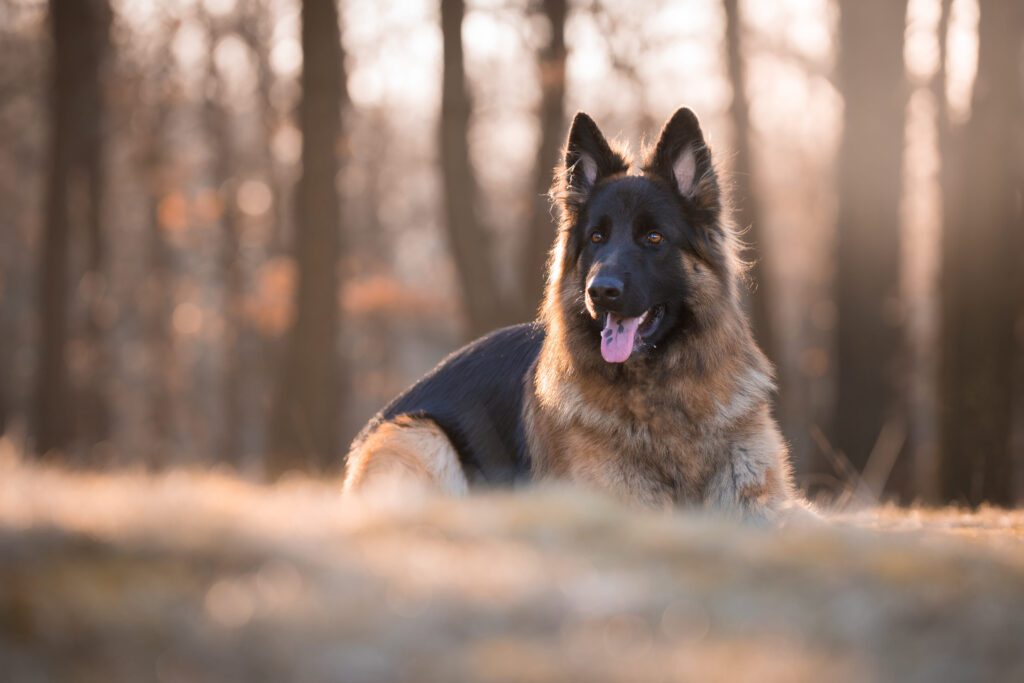
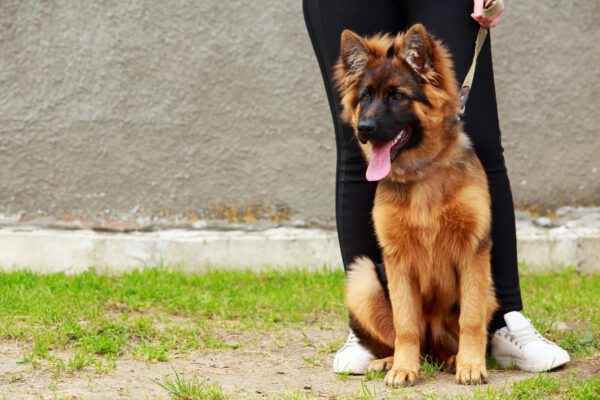
The King Shepherd is a loyal, intelligent, and steady companion. Fans love this breed’s gentle nature with family, strong work ethic, and eagerness to learn. A mature King Shepherd is calm in the home yet alert outside. With good socialization, they often do well with respectful children and other dogs. Their size and presence offer confidence to many adopters who want a true partner.
To adopt a King Shepherd, start by researching the breed’s needs, then connect with local shelters, all-breed rescues, and German Shepherd or King Shepherd breed rescues. You will complete an application, provide references, show proof of housing stability, and confirm your plan for exercise and training. Many rescues include a phone interview and a home check. A meet-and-greet with all household members is common. Some adopters join a waiting list, since King Shepherds are less common than many breeds.
Because this breed is still relatively rare, finding one can take patience. Some King Shepherds are listed as large German Shepherd mixes, so read bios closely and ask questions. Browse curated adoption listings on Dog Academy. Dog Academy organizes and updates listings to highlight available King Shepherd dogs and close matches. This makes it easier to spot suitable candidates without sifting through hundreds of unrelated posts.
Typical adoption fees reflect the cost of spay or neuter, vaccinations, microchip, and any medical care provided. Expect most rescues to list a King Shepherd at $250 to $450, with puppies or dogs that received extensive vet care up to about $550. Fees vary by region and what is included, such as training or a starter kit. If you join a waiting list, ask how long placements usually take and what steps move your application forward.
Give your new dog time to decompress. The first 2 to 4 weeks often bring excitement and stress as routines settle. Keep the schedule simple and consistent. Supervise introductions to family members and pets. A King Shepherd is typically affectionate, confident, and watchful. Clear structure builds trust. Use short sessions of calm handling, gentle grooming, and easy walks to create positive associations with you and the home.
This is a high-energy working breed that needs daily physical and mental exercise. Plan for 60 to 90 minutes of activity split into several sessions. Mix structured leash walks, hiking, fetch, nose work, and obedience games. Young dogs should avoid repetitive high-impact jumping until growth plates close. Provide puzzle feeders and training games to satisfy their mind. Reward polite behavior at doors, on leash, and around guests to channel natural guarding instincts in a safe way.
The King Shepherd has a dense double coat that sheds year-round and blows seasonally. Brush 2 to 3 times per week, and daily during heavy shed. Bathe every 6 to 8 weeks or as needed. Trim nails, clean ears, and brush teeth regularly. Feed a balanced large-breed formula that supports joint health. Many adults do well on 2 to 3 meals per day and 2 to 4 cups total, based on body condition and food density. Use slow feeders and quiet rest after meals to reduce bloat risk. Train with reward-based methods. Mark and reward desired behaviors, teach impulse control, and use clear cues. For expert guidance, follow Dog Academy’s online and in-person training. Programs are self-paced or trainer led, so you get practical support tailored to a King Shepherd’s size and drive.
|
Is It a Good Idea to Adopt a King Shepherd As Your First Dog?A prepared first-time owner can succeed, but this is not the easiest starter breed. The King Shepherd is large, strong, and highly intelligent. They need consistent training, daily exercise, and steady leadership. Without clear structure, they may pull on leash, practice nuisance barking, or become overprotective. Mental work is just as important as physical activity. Plan for focused training and calm enrichment every day. If you are committed and ready to learn, the payoff is a devoted partner. Dog Academy training can help new owners build skills, set routines, and prevent common issues. You will learn safe handling of a big dog, leash manners, recall, and polite greetings. With the right plan, a first-time owner can guide a King Shepherd into a confident, social, and well-mannered companion. |
Adopt the Right King Shepherd for YouAdopting a King Shepherd is a thoughtful choice. Research the breed, prepare your home, and budget for training, grooming, and quality food. Be patient as you search. Not every dog will match your household, but the right fit is worth the wait. A steady routine, reward-based training, and regular exercise will bring out this breed’s best traits. Dog Academy makes the journey simpler and more successful. Our curated adoption listings help you find available King Shepherds faster. Our expert-led online and in-person training sets you and your dog up for long-term success. With the right preparation and support, you can adopt a King Shepherd with confidence and enjoy a loyal partner for years to come. |
|
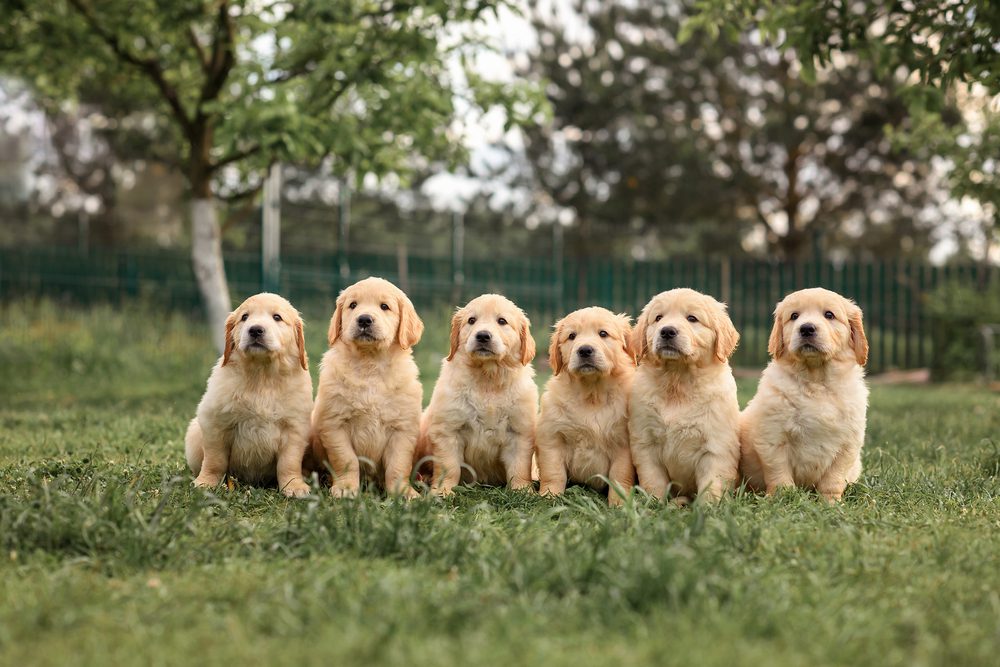
Introducing a new puppy to your current dog is often an exciting process, and many dogs will become fast friends and eas...
Read More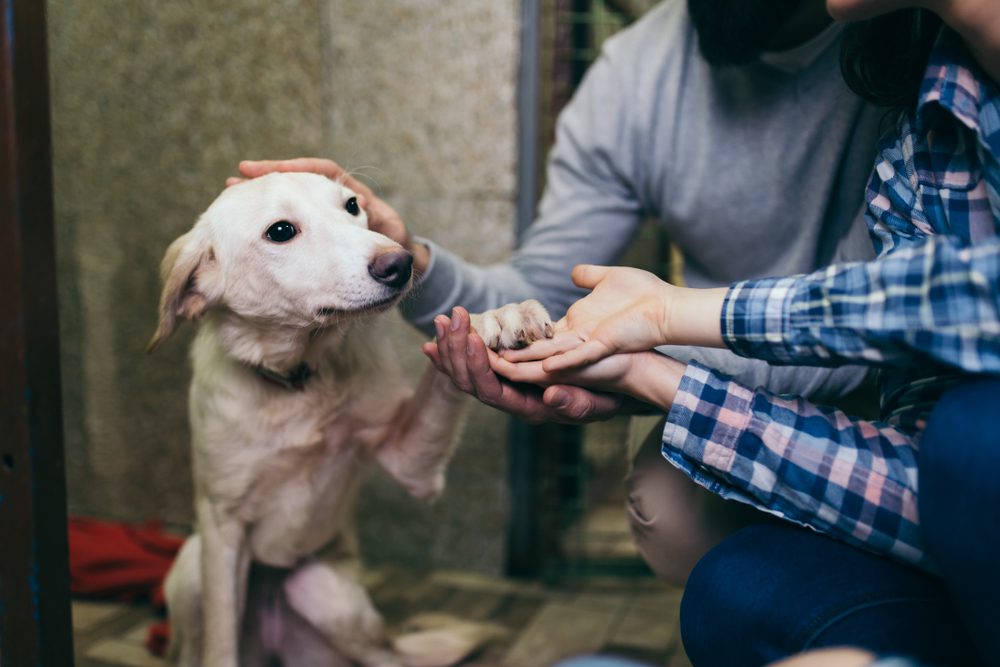
Rescue dogs can make great companions and can transform your home into something better. These dogs make great pets and ...
Read More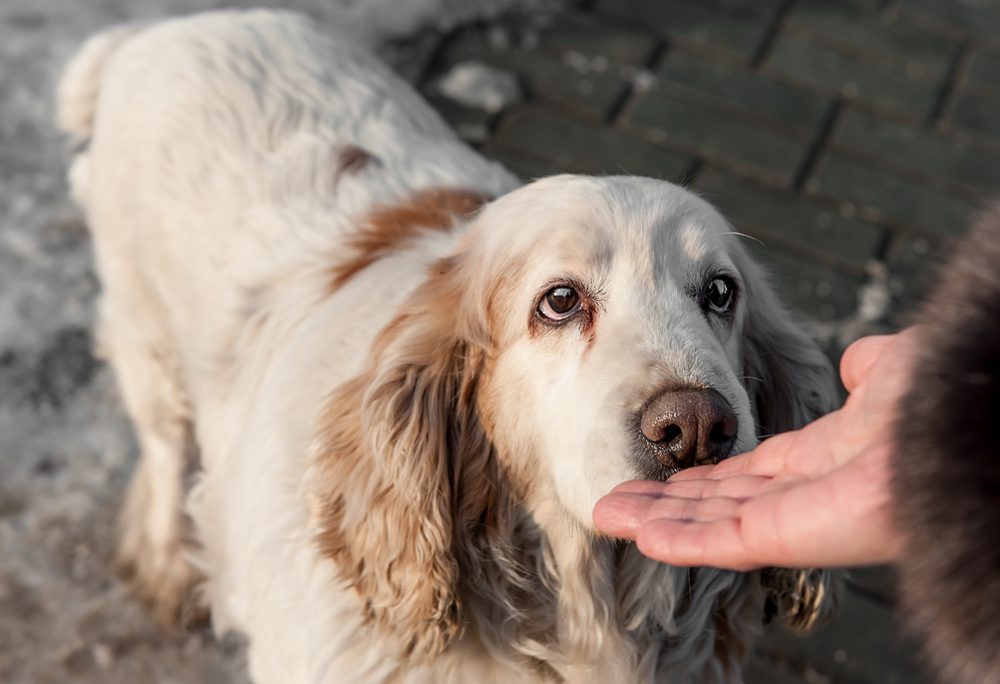
You should never rush to pet a dog. Even dog owners make the mistake of approaching unfamiliar dogs and petting them rig...
Read More
Puppy mill dogs are survivors who have endured extreme hardships in their lives. They have grown up in horrendous, unsan...
Read More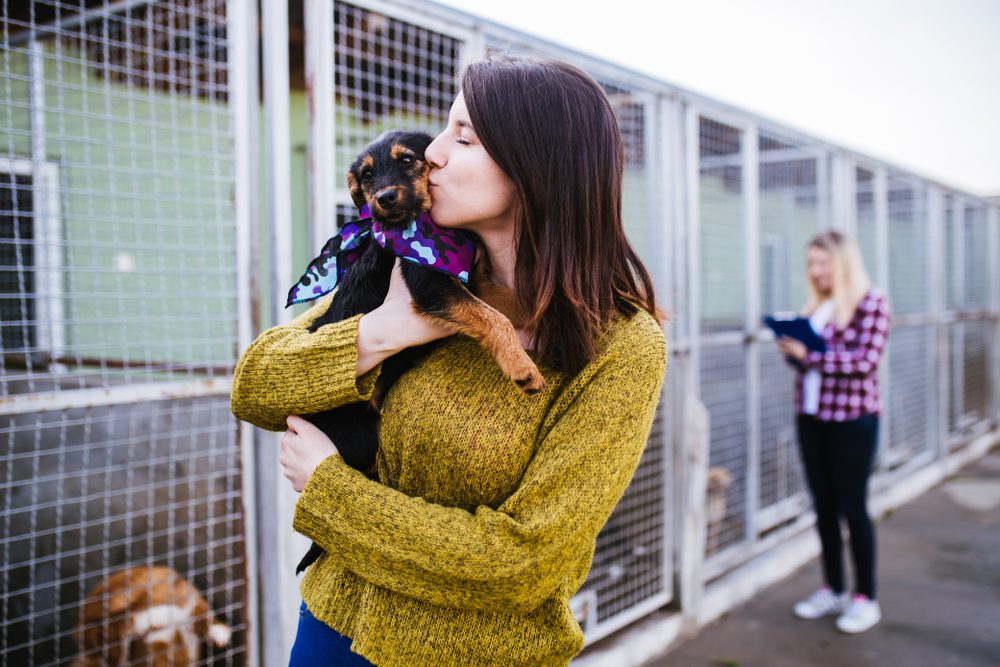
With their wagging tails and comforting presence, adopting a dog can add a unique touch to your life. It’s a heart...
Read More
Older dogs may have a few gray hairs around the edges, but that doesn’t mean they can’t make wonderful companions! T...
Read More