


Introducing a new puppy to your current dog is often an exciting process, and many dogs will become fast friends and eas...
Read MoreAdopt Me

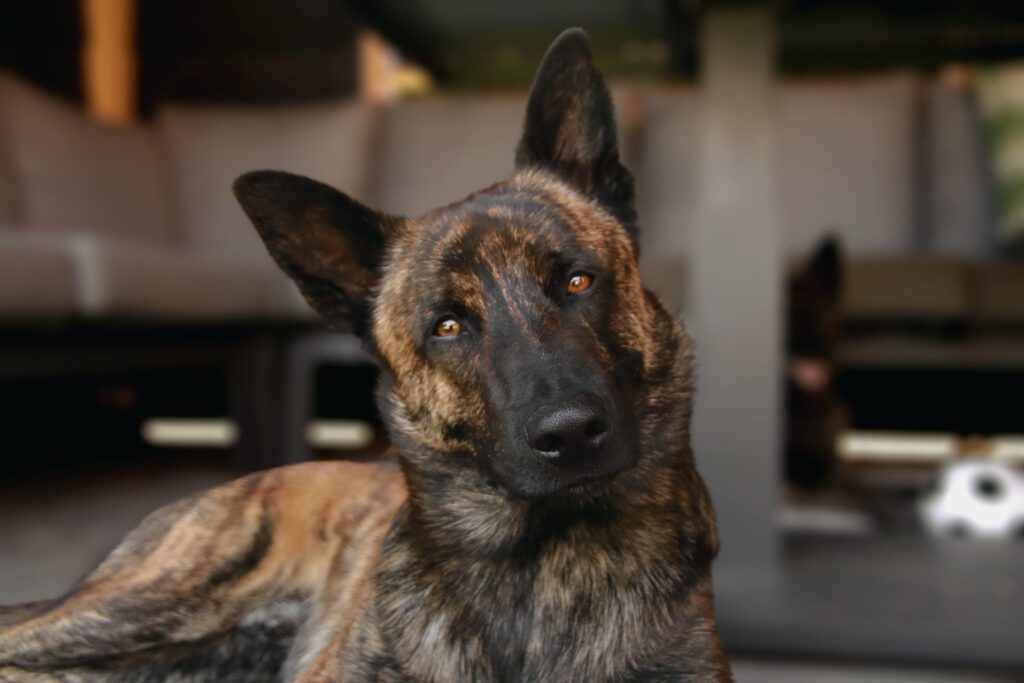

The Dutch Shepherd is a devoted, athletic, and highly intelligent partner. Bred for herding and protection, this dog thrives with purposeful activity and close teamwork. Many families love the breed’s loyalty, confidence, and versatility. With good socialization and a steady routine, a Dutch Shepherd can be an outstanding companion for active households.
The adoption process usually starts with research, then an application through a shelter or rescue. Expect questions about your experience, daily schedule, and housing. Many groups request references or a virtual home check. A meet-and-greet follows, sometimes with a resident dog. Some rescues offer foster-to-adopt periods to confirm a good match. Clear, honest communication helps the process move smoothly.
Dutch Shepherds are uncommon in general shelters, so availability can be limited. Breed-savvy rescues and working-dog organizations are often your best sources. You can also browse curated adoption listings on Dog Academy. Dog Academy reviews and organizes listings so it is easier to find available Dutch Shepherd dogs from reputable shelters and rescues. Set alerts, check often, and be ready for waiting lists if you want a specific age or temperament.
Adoption fees for a Dutch Shepherd through a breed-specific rescue typically range from $300 to $500. Costs reflect spay or neuter, vaccinations, microchip, medical screening, and transport. Age, regional veterinary costs, and any training already provided can shift the fee within that range. Municipal shelters may be lower, but breed-experienced rescues often include more evaluation and support, which many adopters value.
The first weeks at home are an adjustment. Your Dutch Shepherd may be watchful and a bit unsettled as routines change. Keep life calm and consistent. Use a crate or quiet room for rest, short training sessions, and predictable mealtimes. Supervise introductions with people and pets. This breed is alert and handler focused, so clear rules and daily engagement help build trust fast.
Plan for serious exercise and mental work. Most Dutch Shepherds need 60 to 90 minutes of daily physical activity split into structured walks, fetch, hiking, or jogging, plus brain work like scent games, obedience, and puzzle feeders. Use reward-based training with food, toys, and praise to channel drive into good manners. Teach impulse control, loose-leash walking, recall, and calm settle behaviors early. For tailored guidance, consider Dog Academy’s online and in-person training. Programs are expert led and supportive, so you can build skills at your pace.
Grooming is straightforward. The short double coat sheds year-round and more in spring and fall. Brush 1 to 2 times per week, then daily during heavy shed. Bathe every 6 to 8 weeks or as needed. Trim nails regularly, clean ears, and brush teeth several times per week. Feed a high-quality diet for an active medium to large dog. Split food into 2 meals, monitor body condition, and adjust calories to match activity. Ask your veterinarian about joint support and a schedule for health screenings.
|
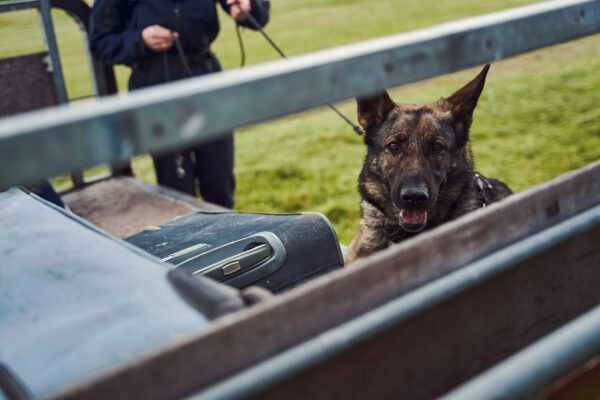
Is It a Good Idea to Adopt a Dutch Shepherd As Your First Dog?A Dutch Shepherd is not a low-maintenance beginner breed. Drive and energy are high, and the dog expects daily training and meaningful work. That said, a committed first-time owner who enjoys learning, exercise, and structure can succeed. The key is consistency, early socialization, and a plan for mental and physical outlets every day. Handling strength and impulse control matter. Adult Dutch Shepherds often weigh 50 to 75 pounds and can be intense during play or when focused on a task. Start leash skills, place training, and calm greetings right away. Dog Academy training can help new owners set foundations, prevent problem behaviors, and build reliable obedience that fits real life. |
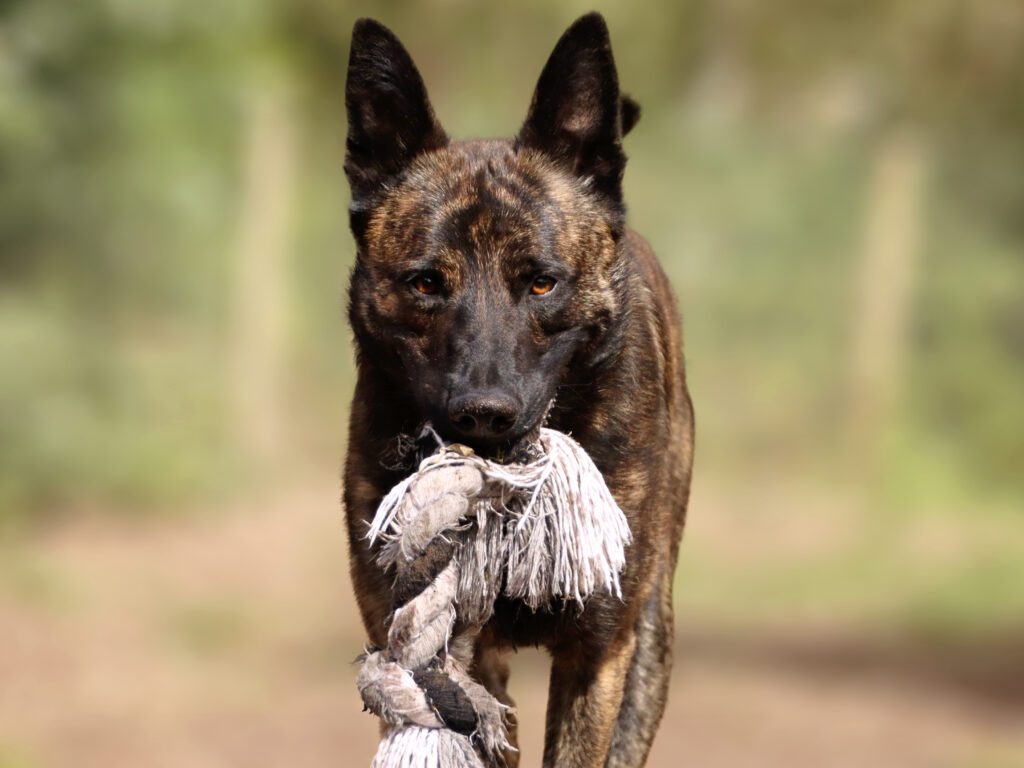
Adopt the Right Dutch Shepherd for YouTake time to research, meet several dogs, and choose a temperament that fits your lifestyle. Be realistic about energy, training time, and grooming. With preparation and steady follow-through, this breed is deeply rewarding. Dog Academy helps you adopt the right Dutch Shepherd through curated adoption listings and supports long-term success with self-paced online programs, professional in-person training, and expert guidance when you need it most. |
|

Introducing a new puppy to your current dog is often an exciting process, and many dogs will become fast friends and eas...
Read More
Rescue dogs can make great companions and can transform your home into something better. These dogs make great pets and ...
Read More
You should never rush to pet a dog. Even dog owners make the mistake of approaching unfamiliar dogs and petting them rig...
Read More
Puppy mill dogs are survivors who have endured extreme hardships in their lives. They have grown up in horrendous, unsan...
Read More
With their wagging tails and comforting presence, adopting a dog can add a unique touch to your life. It’s a heart...
Read More
Older dogs may have a few gray hairs around the edges, but that doesn’t mean they can’t make wonderful companions! T...
Read More