

























































































































































































Introducing a new puppy to your current dog is often an exciting process, and many dogs will become fast friends and eas...
Read MoreAdopt Me

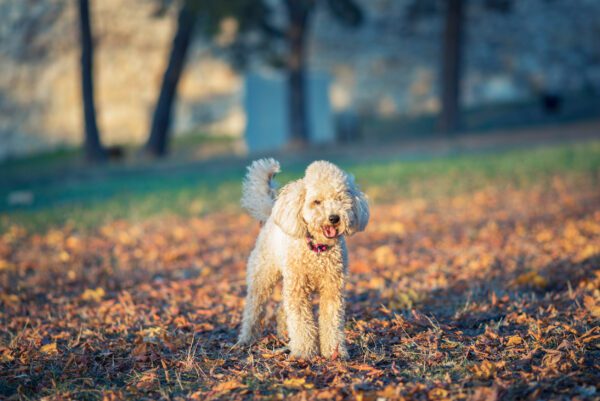
No dog is truly hypoallergenic, but some shed far less than others. The F1B goldendoodle is one of them. These dogs have a curlier, lower-shedding coat that allergy-sensitive families find easy to manage with routine care.
However, “lower shedding” doesn’t mean “low maintenance.” In fact, the curlier the coat, the more time you have to spend maintaining it. In a state with muddy springs, humid summers, leafy falls, and salty winter sidewalks, an F1B goldendoodle needs brushing to the skin and professional grooming every 6–8 weeks.
Many F1B goldendoodles end up in rescue because people didn’t plan ahead. By adopting one of these dogs, you can give them the structure (and hopefully, a forever home) they’ve been missing. On that note, let’s discuss how to adopt an F1B goldendoodle in West Virginia and help them become the happiest, most confident version of themselves.
Start your search with local shelters and rescues in population centers like Charleston, Morgantown, Huntington, Beckley, and Martinsburg. Use filters for “poodle,” “goldendoodle,” and “doodle.” You can also follow West Virginia-based rescues on social media. Turn on post notifications to make sure you don’t miss out on new listings that can be claimed within hours of posting.
Next, prepare a strong application. Rescues will ask about your schedule, housing, and experience with dogs. Highlight that you understand F1B’s need for grooming, exercise, and positive-reinforcement training. Many rescues schedule a phone interview, a vet reference check, and a virtual or in-person home visit to make sure you qualify.
When they find a potential match for you, request details on size (mini, medium, standard), coat type (tight curl vs. wavy), energy level, and any anxiety or reactivity. Ask about the dog’s history with kids, cats, and other dogs, crate tolerance, and off-leash skills. Arrange a meet-and-greet with all family members and see how the dog behaves.
When you finally bring the dog home, understand that they may be tired, nervous, or excited. During the first week, there should be limited visitors, predictable routines, short training sessions, and slow introductions to resident pets.
|
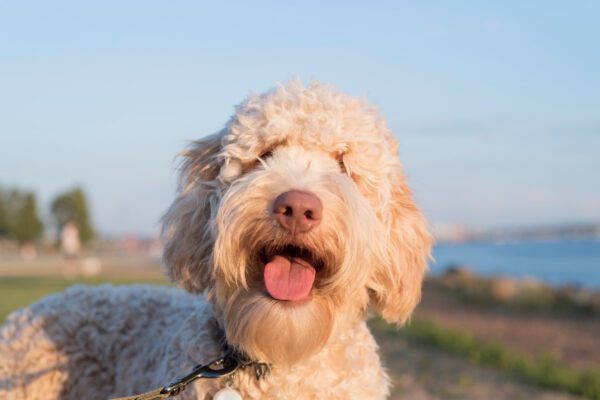
How Much Does It Cost to Adopt an F1B Goldendoodle in West Virginia?Adopting an F1B goldendoodle in West Virginia is much more affordable than purchasing one from a breeder. Shelters in larger cities, such as Charleston and Morgantown, may charge around $250–$400, while smaller rescues in rural areas sometimes ask for donations of $150–$300. For doodle-specific rescues, the adoption fee may go up to $600. For families on a budget, adopting an older dog is often less expensive and gives a second chance to a doodle that might otherwise be overlooked. The adoption fee almost always covers shots, spay/neuter surgery, deworming, and a microchip. It’s a great deal when you consider that these procedures alone can cost hundreds at a private vet. |
How Should I Train an F1B Goldendoodle?F1B goldendoodles are incredibly intelligent and affectionate. This combination makes them eager to please but also highly sensitive. They don’t respond well to harsh corrections or raised voices. Instead, focus on rewarding good behavior with treats, praise, or play. From the first day at home, start reinforcing simple behaviors, such as “sit,” “stay,” and “come,” to build trust. Use the same words each time and don’t miss a single day of training. When your furry friend starts anticipating routines, teach them housebreaking manners and how to sleep/settle in a crate. If you plan to go on walks or hikes on trails in West Virginia with your dog, teach them to match your pace. This might feel tricky for new owners because goldendoodles can be excitable and easily distracted. If you need help, Dog Academy has a pace training course specifically on pace training to prevent pulling, tripping, or frustration on both ends of the leash. |
|
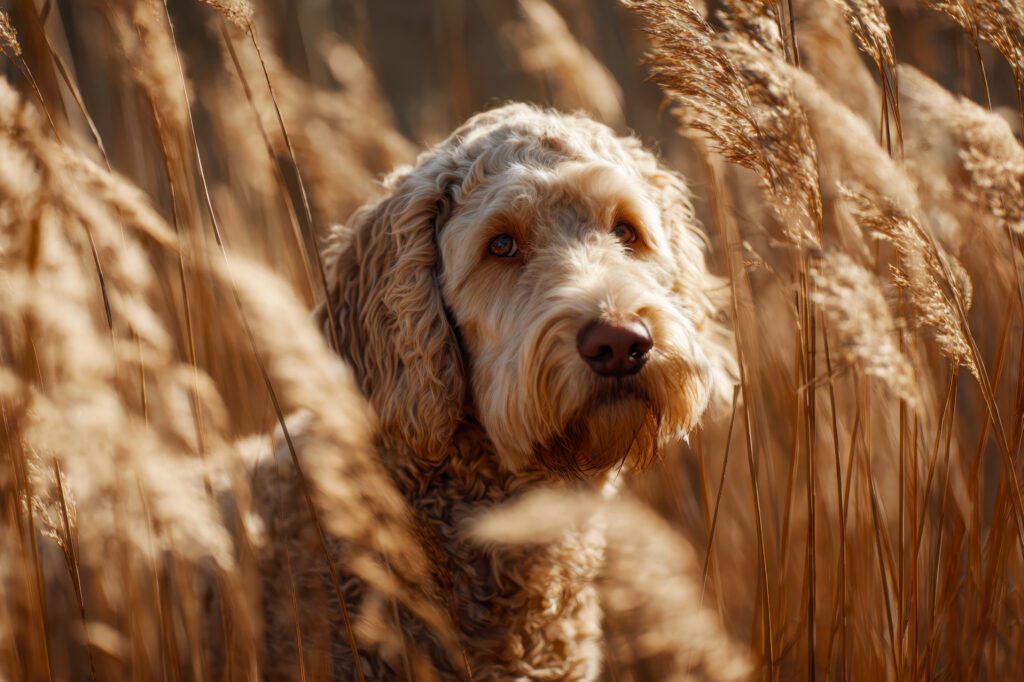
The right goldendoodle for one family in West Virginia may not be right for another. If you have young children, consider an F1B with a calm temperament and some basic training already under their belt.
Families often do best with adult dogs that are past the puppy chewing and mouthing phase. If you love spending weekends exploring trails at Coopers Rock or Blackwater Falls, a higher-energy doodle may be the perfect match.

Introducing a new puppy to your current dog is often an exciting process, and many dogs will become fast friends and eas...
Read More
Rescue dogs can make great companions and can transform your home into something better. These dogs make great pets and ...
Read More
You should never rush to pet a dog. Even dog owners make the mistake of approaching unfamiliar dogs and petting them rig...
Read More
Puppy mill dogs are survivors who have endured extreme hardships in their lives. They have grown up in horrendous, unsan...
Read More
With their wagging tails and comforting presence, adopting a dog can add a unique touch to your life. It’s a heart...
Read More
Older dogs may have a few gray hairs around the edges, but that doesn’t mean they can’t make wonderful companions! T...
Read More