



























































































































































































Introducing a new puppy to your current dog is often an exciting process, and many dogs will become fast friends and eas...
Read MoreAdopt Me

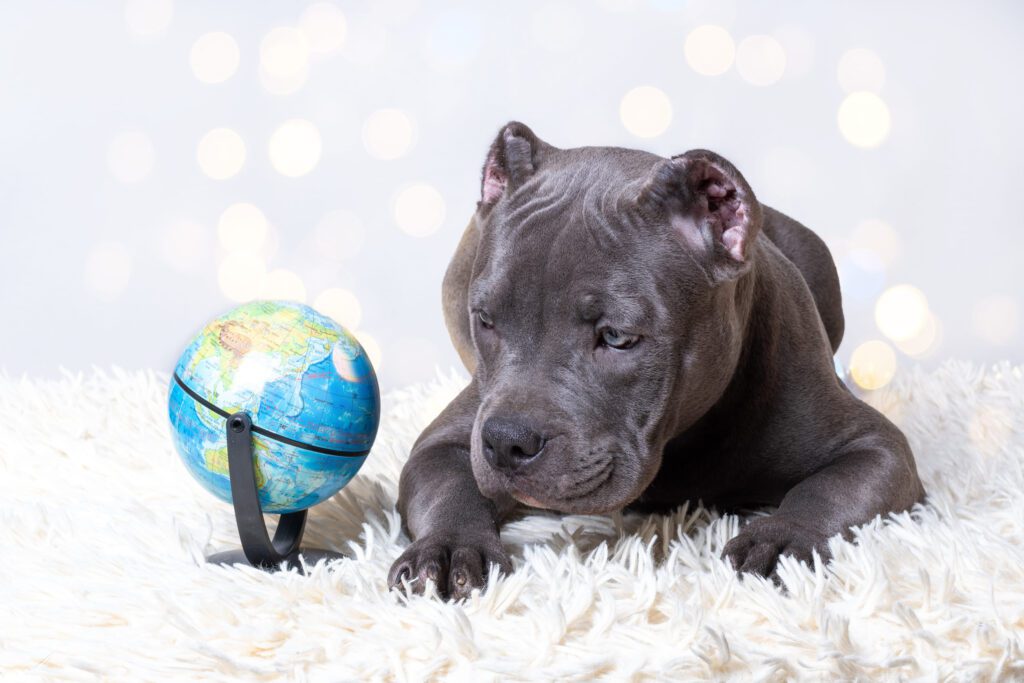

North Carolina’s mix of coastal breezes, rolling Piedmont neighborhoods, and Blue Ridge foothills makes it one of the most adaptable states for dog ownership, and a strong fit for the pocket bully. Compact, muscular, and deeply people-oriented, this breed thrives on routine, companionship, and structured activity rather than endless space. For many North Carolinians, the pocket bully’s calm indoor demeanor and affectionate personality make it an excellent family dog.
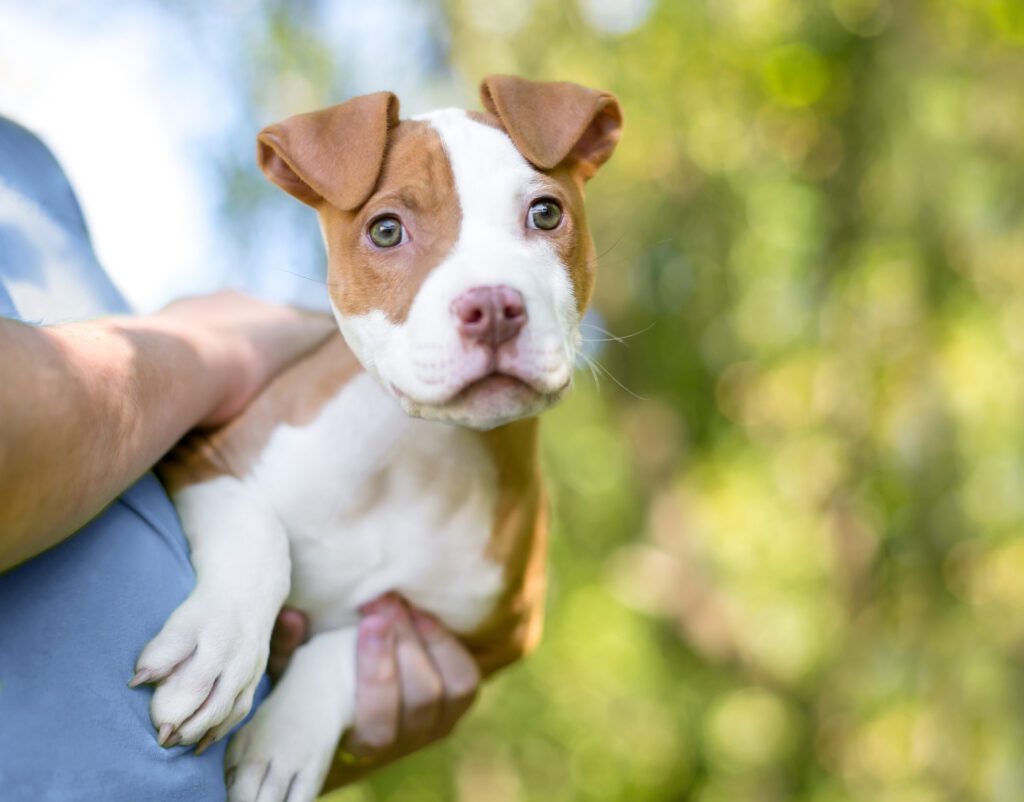
Before adopting, it’s essential to understand the breed beyond stereotypes. Pocket bully puppies are confident, energetic, and impressionable. They require early socialization and consistent training, making them better suited for adopters who have time. Adult pocket bullies, especially those coming from foster homes, often display stable temperaments and known behavior patterns, making them ideal for first-time adopters or multi-dog households.
Before you jump in your carriage and ride to the nearest dog breeder, you should look into how to adopt a pocket bully in North Carolina. Adoption allows you to skip guesswork and support ethical placement, an important consideration in a state with a strong rescue culture. North Carolina is known for its dog-friendly communities, mild winters, and active outdoor lifestyle. From shaded neighborhood walks to weekends at state parks, these local features shape how a pocket bully lives, trains, and settles into a home.
North Carolina has a well-developed rescue and foster network across the state. Most pocket bullies available for adoption are placed through foster-based systems rather than long-term shelters, allowing their personalities, energy levels, and social behavior to be well documented before adoption.
A practical first step is using Dog Academy, which brings together adoption listings and reliable background information in one place. By organizing available dogs by age, temperament, and location, Dog Academy helps adopters make informed decisions without rushing, an important factor when adopting a powerful, intelligent breed.
The adoption process typically begins with an application that covers home environment, yard or exercise plans, work schedules, and prior dog experience. As pocket bullies may face housing or insurance restrictions, some rescues request written confirmation that the breed is permitted at your residence.
Meet-and-greets usually take place at foster homes or neutral outdoor locations, followed by a home check in some cases. Once approved, adopters sign an agreement, pay the adoption fee, and receive full veterinary documentation.
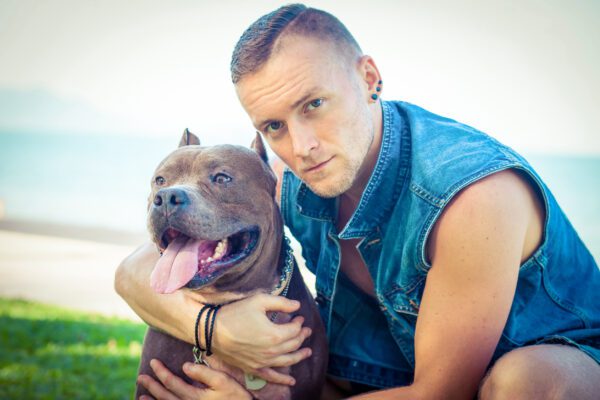 |
How Much Does It Cost to Adopt a Pocket Bully in North Carolina?Adoption fees for a pocket bully in North Carolina typically range between $250 and $350, depending on the dog’s age, medical history, and the rescue or shelter’s resources. Puppies and young pocket bullies generally fall at the higher end of that range, often around $300 to $350, due to higher demand and the additional early veterinary care. Adult pocket bullies are more affordable, with fees between $250 and $325, especially when the dog is already spayed or neutered and fully vaccinated. |
How Should I Train a Pocket Bully?Pocket bullies respond best to training that is structured, calm, and reward-based. Despite their muscular build, they are sensitive to tone and consistency. Harsh corrections or dominance-based techniques can damage trust, while positive reinforcement builds confidence and reliability. North Carolina’s climate directly affects training routines. Spring and fall are ideal for outdoor obedience work, leash training, and socialization. Summers can be humid and hot, which means training sessions should be shorter and scheduled during early mornings or evenings. Winter is mild compared to northern states, allowing for continued outdoor work with little interruption, especially in central and coastal regions. Puppies should focus on crate training, impulse control, and exposure to varied environments earlier on. Adult pocket bullies often benefit most from leash manners, polite greetings, and continued social stability. Dog Academy’s training courses stand apart by providing expert-led online guidance that adapts to your dog’s age, temperament, and environment. Their personalized approach and emphasis on strengthening the dog–owner relationship make them especially useful when balancing training around weather, work schedules, and home life. |
 |
North Carolina’s affordable living, accessible veterinary care, and strong adoption community make it an excellent state for responsible pocket bully ownership. Choosing between a puppy and an adult should depend on your experience level, daily availability, and household makeup. Adults often suit first-time adopters and professionals, while puppies are best for those prepared for hands-on training from day one.
Using Dog Academy to explore available dogs and understand their backgrounds allows you to adopt with intention rather than emotion. With the right match and thoughtful training, a pocket bully in North Carolina becomes a steady, affectionate companion, equally content relaxing at home or joining you for life’s everyday adventures across the Tar Heel State.

Introducing a new puppy to your current dog is often an exciting process, and many dogs will become fast friends and eas...
Read More
Rescue dogs can make great companions and can transform your home into something better. These dogs make great pets and ...
Read More
You should never rush to pet a dog. Even dog owners make the mistake of approaching unfamiliar dogs and petting them rig...
Read More
Puppy mill dogs are survivors who have endured extreme hardships in their lives. They have grown up in horrendous, unsan...
Read More
With their wagging tails and comforting presence, adopting a dog can add a unique touch to your life. It’s a heart...
Read More
Older dogs may have a few gray hairs around the edges, but that doesn’t mean they can’t make wonderful companions! T...
Read More