



























































































































































































Introducing a new puppy to your current dog is often an exciting process, and many dogs will become fast friends and eas...
Read MoreAdopt Me

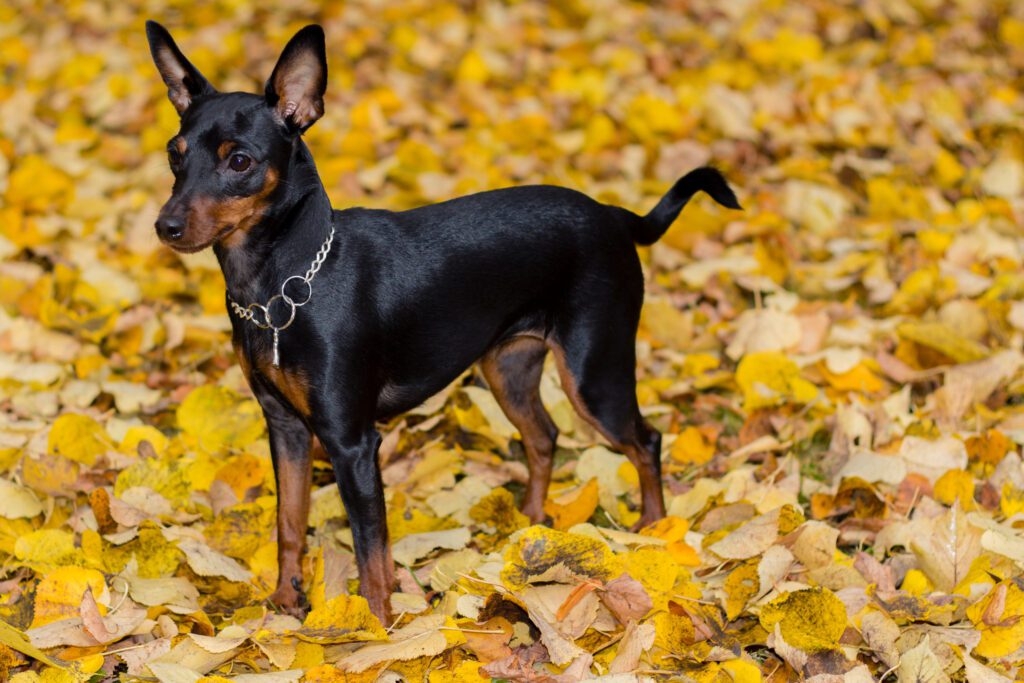
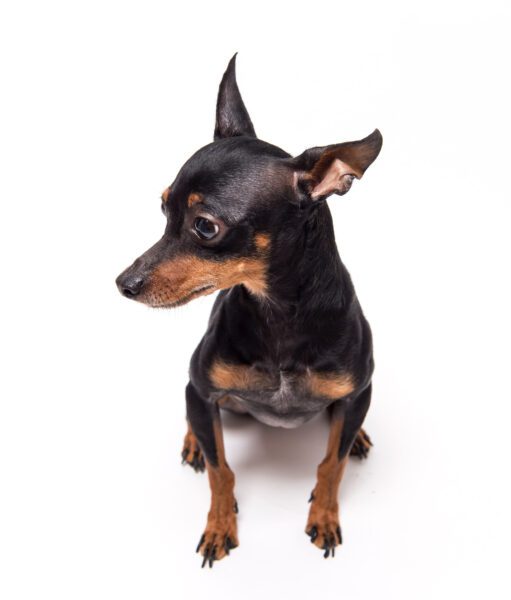
Many adopters in Vermont stick with familiar choices when visiting shelters, but those who give Miniature Pinschers a chance quickly realize how remarkable these little dogs can be. Their fearless attitude and lively energy are a treat to watch, and they form strong bonds with their families.
The state’s seasons do add an extra layer of responsibility. With their short, thin coats, Min Pins don’t handle harsh winters well. This means you’ll have to bundle them up in coats and boots. Summers and autumns, by contrast, give these dogs the perfect climate to show off their stamina on hikes and local adventures.
For families who want something different from the popular dogs that steal all the limelight at shelters, learning how to adopt a Miniature Pinscher in Vermont is a chance to bring home an adventurous sidekick with a personality so bold and playful that it feels larger than life.
Shelters in larger towns, such as Burlington, Rutland, and Montpelier, list new arrivals online, so it’s best to set up alerts or check their pages regularly. Breed-specific rescues that focus on small or toy dogs also occasionally bring Miniature Pinschers into the state through partnerships. Considering the low popularity of this breed, you’ll have to broaden your search radius to nearby states.
Submitting your application the same day you spot a listing increases your chances dramatically. Vermont shelters look for thoughtful answers, such as plans for winter walks with proper gear, or details on how you’ll handle barking in apartment settings. Vague responses like “I’ll take them on walks” don’t stand out, but a plan for daily activity tailored to the Vermont climate does.
When it’s time to meet the dog, avoid forcing interactions. Min Pins may bark, pace, or act aloof when nervous. The trick is to let them come to you, offer treats, and engage with toys if they show interest. Shelter staff notice these small details, and many times, showing patience rather than enthusiasm matters.
This is also the time to learn more about the dog’s habits. Ask whether they’ve had consistent potty training, how they do on walks, if they get anxious around new people, or if they’ve been socialized with other animals. Knowing how the Min Pin responds to positive training methods will give you a clearer picture of how they’ll fit into your home routine.
If everything falls into place and you’re ready to take the Miniature Pinscher home, you’ll pay the adoption fee and sign the contract. In case another family adopted the dog you applied for, don’t disappear. Thank the staff for their time and ask them to consider you for future dogs. Your courtesy might open the door to your perfect match later on.
|
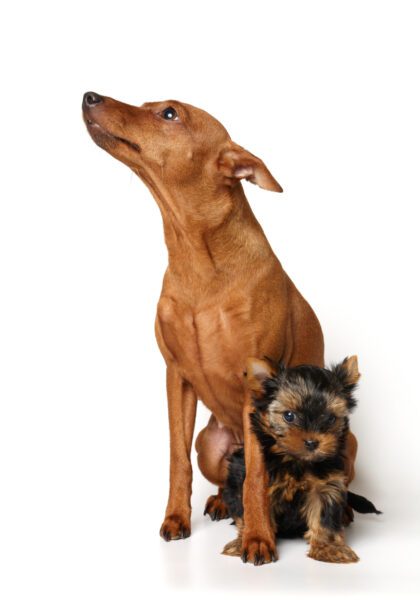
How Much Does It Cost to Adopt a Miniature Pinscher in Vermont?In Vermont, adoption fees, usually ranging from $50 to $500, are set based on the care already provided to the dog. For example, a Miniature Pinscher who needed dental work or extra vaccinations may have a slightly higher fee. When calculating your total costs, also think about immediate expenses like food, a crate or a puppy pen, toys, a bed, and seasonal gear. Regular nail trims, flea and tick prevention, and yearly vet visits will also be required. |
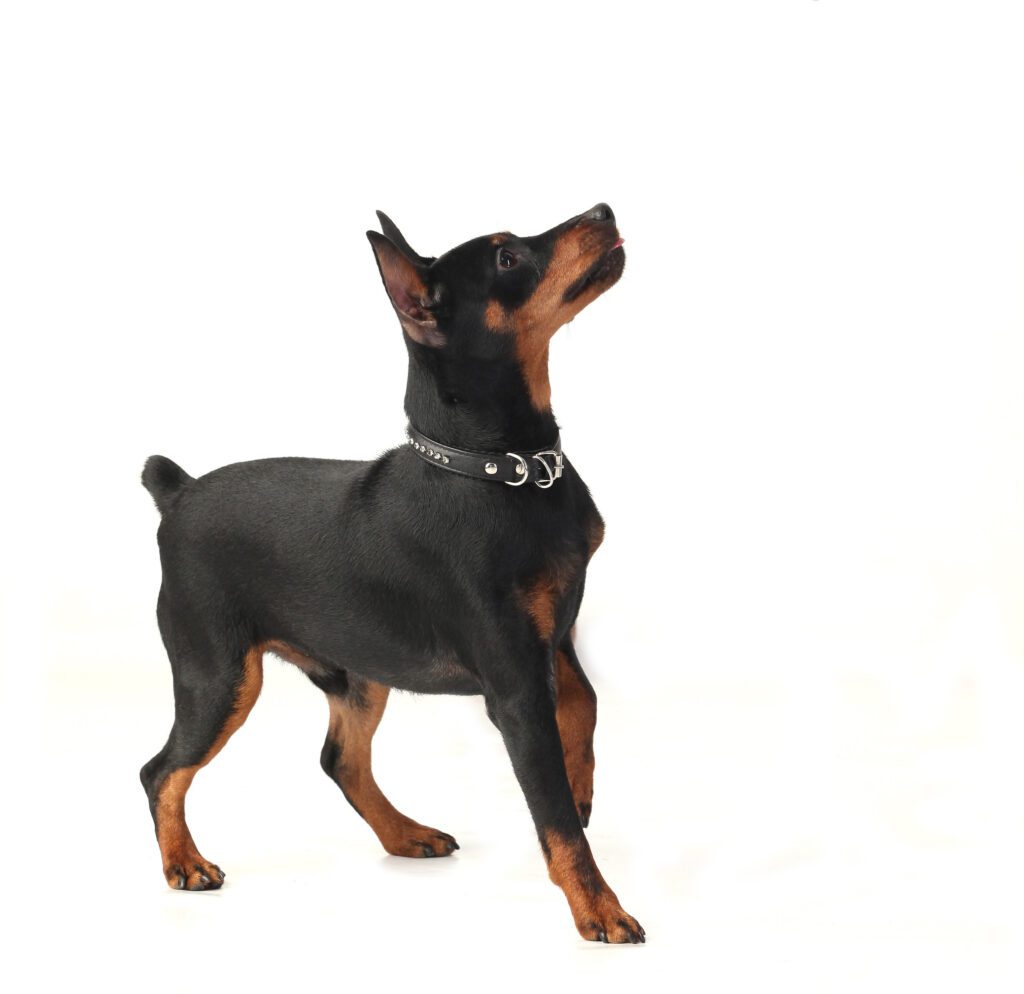
How Should I Train a Miniature Pinscher?Min Pins are intelligent and curious, which means they’ll quickly pick up both the good habits you teach and the bad ones you let slide. The first few days should be about setting rules regarding where they can go in the house, when meals are served, and what behaviors earn rewards. One aspect of training is managing their watchdog instincts. Miniature Pinschers love to bark, and while this trait makes them excellent alert dogs, it can become excessive if not addressed early. Train them to be “quiet” and reward silence with treats. To speed up results, sign up for Dog Academy’s End Excessive Barking online training course on teaching your dog when it’s appropriate to bark and how to settle. Potty training can especially be tricky in Vermont winters. Min Pins often dislike the cold and may hesitate to go outside. We recommend investing in a warm jacket and paw boots for your furry baby and creating a sheltered spot in your yard. Always follow a set routine and reward your dog generously for braving the snow. |
|
Like all breeds, Miniature Pinschers exhibit a wide range of personalities. Some may act bold and confident from the start, while others may need time to warm up.
If you’re drawn to a shy dog at the shelter, be patient and visit them multiple times. This way, you’ll have the chance to build trust and see how the dog’s personality unfolds once they feel safe with you.

Introducing a new puppy to your current dog is often an exciting process, and many dogs will become fast friends and eas...
Read More
Rescue dogs can make great companions and can transform your home into something better. These dogs make great pets and ...
Read More
You should never rush to pet a dog. Even dog owners make the mistake of approaching unfamiliar dogs and petting them rig...
Read More
Puppy mill dogs are survivors who have endured extreme hardships in their lives. They have grown up in horrendous, unsan...
Read More
With their wagging tails and comforting presence, adopting a dog can add a unique touch to your life. It’s a heart...
Read More
Older dogs may have a few gray hairs around the edges, but that doesn’t mean they can’t make wonderful companions! T...
Read More