



























































































































































































Introducing a new puppy to your current dog is often an exciting process, and many dogs will become fast friends and eas...
Read MoreAdopt Me



Boston terriers are the state dog of Massachusetts, and it’s not hard to see why. They’re small, friendly, polite around people, and carry just enough spunk to hold their own on city sidewalks or crowded porches. But despite their strong roots in the state, they aren’t always easy to find through adoption, particularly in high-demand areas like Greater Boston and the Pioneer Valley.
These dogs rarely linger in shelters, and many are placed into homes before they’re even listed publicly. So, you must be ready when the right one shows up. This guide will walk you through what to expect when adopting a Boston terrier in Massachusetts, from legal requirements and fees to tips for choosing the right dog for your home and schedule.
Dog adoptions in Massachusetts are heavily regulated to prioritize animal welfare and responsible ownership. Whether you’re adopting through a municipal shelter or a nonprofit rescue, expect to complete an application, provide vet references, and in some cases, schedule a home visit.
By law, all adopted dogs in the state must be spayed or neutered unless a licensed veterinarian states otherwise in writing. Rabies vaccination is required by the state for any dog over six months, and proof must be provided when applying for a license through your town clerk’s office. Licenses must be renewed annually, with fees and deadlines varying by municipality.
Massachusetts also enforces anti-cruelty laws and housing requirements for pets. Dogs must have access to shelter and cannot be left outside in extreme weather, including excessive heat or cold. Urban adopters should also be aware of leash laws and noise ordinances, especially in densely populated cities like Somerville, Quincy, and Springfield.
If you’re applying through a rescue, you may also be required to sign a contract agreeing to return the dog to the organization if you can no longer care for it. For more breed and state-specific guidelines, check out Dog Academy’s adoption page.

|
How Much Does It Cost to Adopt a Boston Terrier in MassachusettsAdoption fees for a Boston terrier in Massachusetts typically range from $200 to $600. Fees on the lower end are common in city-run shelters, especially if the dog is older or part of a local adoption event. Foster-based rescues often charge more, reflecting the cost of medical care, transportation, and behavioral evaluations. Most adoption fees include spay or neuter surgery, rabies and core vaccinations, microchipping, and sometimes flea or heartworm prevention. In some cases, especially with rescues based in the Boston metro area, you may also pay a small deposit to reserve a dog or secure early approval while waiting for the breed to become available. |
How Should I Train a Boston Terrier?Training a Boston terrier in Massachusetts depends largely on your living setup and schedule. These dogs are smart and eager to please, but they can be a little stubborn if they get bored or distracted. This breed responds best to positive reinforcement. Short, upbeat sessions with treats or toys work better than repetition or firm correction. Leash manners and polite greetings are especially important in cities like Cambridge or Worcester, since your dog will likely encounter plenty of people, pets, and traffic on daily walks. For suburban and rural adopters, training should include consistent routines around recall, crate time, and boundaries indoors. Boston terriers generally do well in apartments, but they still need daily exercise and mental stimulation. Since Massachusetts winters can be long and wet, it helps to have a plan for indoor training sessions. For structured help, Dog Academy’s online courses covering breed-friendly training programs that are easy to follow, regardless of your location in the state. |
|
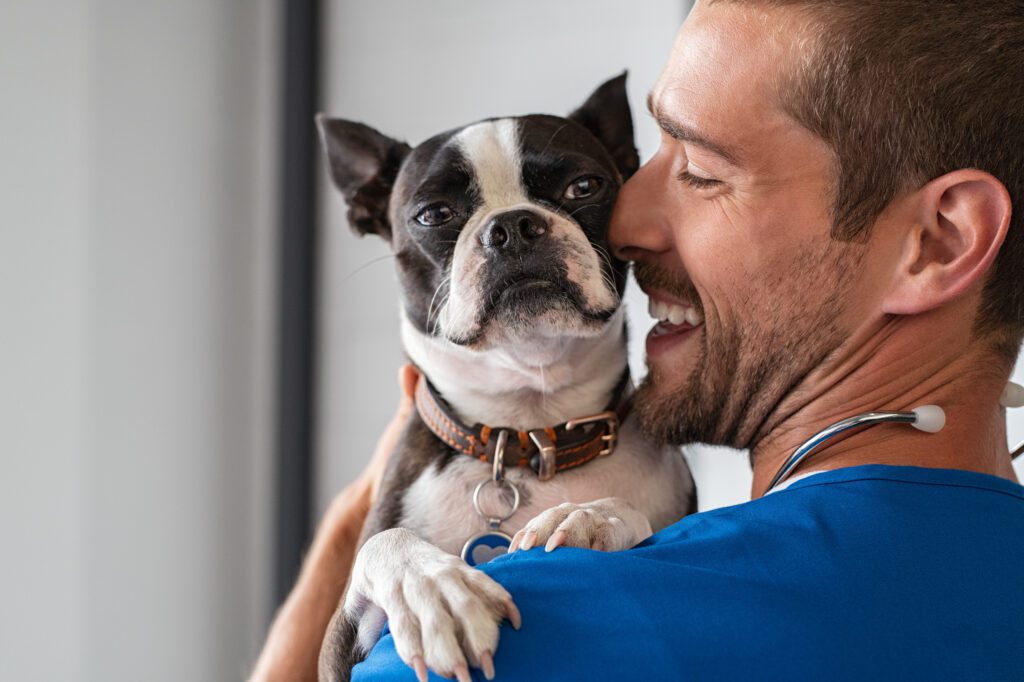
Boston terriers are cute, but not everyone is the right match for every home. Your living space, work schedule, and access to pet-friendly amenities can all influence what kind of dog will thrive with you. A quiet senior dog may do better in a low-traffic apartment, while a younger Boston terrier with more energy might fit best in a household with flexible routines and daily outings.
Stay in touch with shelters and rescues, ask thoughtful questions, and be ready to act quickly when the right dog becomes available. With a little planning and the right expectations, you’ll find a Boston terrier that settles in easily and feels like part of your Massachusetts routine in no time.

Introducing a new puppy to your current dog is often an exciting process, and many dogs will become fast friends and eas...
Read More
Rescue dogs can make great companions and can transform your home into something better. These dogs make great pets and ...
Read More
You should never rush to pet a dog. Even dog owners make the mistake of approaching unfamiliar dogs and petting them rig...
Read More
Puppy mill dogs are survivors who have endured extreme hardships in their lives. They have grown up in horrendous, unsan...
Read More
With their wagging tails and comforting presence, adopting a dog can add a unique touch to your life. It’s a heart...
Read More
Older dogs may have a few gray hairs around the edges, but that doesn’t mean they can’t make wonderful companions! T...
Read More