


Introducing a new puppy to your current dog is often an exciting process, and many dogs will become fast friends and eas...
Read MoreAdopt Me

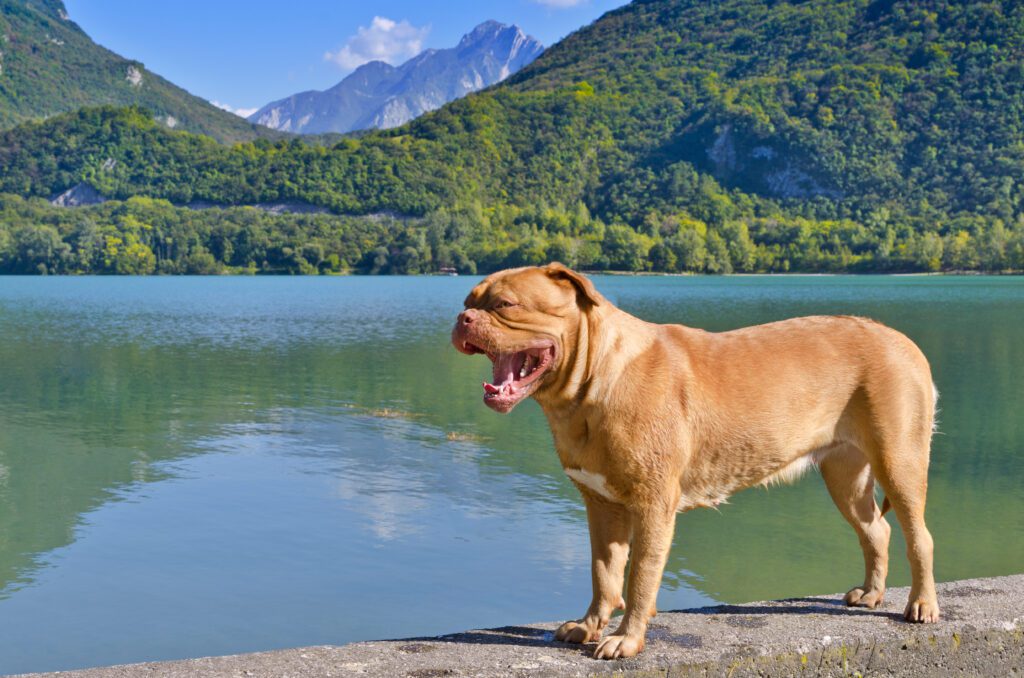
The Dogue De Bordeaux, often known as the French Mastiff, is a majestic breed with a gentle demeanor and a distinctive appearance. Known for their loyalty and protective nature, these dogs make excellent companions for families and individuals alike. New York, with its vibrant culture and diverse neighborhoods, can be a perfect place to raise a Dogue De Bordeaux. However, potential adopters should consider the breed’s specific needs and how they align with the city’s unique lifestyle.
Living in New York means adapting to its fast pace and varied climate. The Dogue De Bordeaux is a low-energy breed, often content with leisurely walks rather than rigorous exercise, making them well-suited for the city’s apartment living. However, due to their large size, they thrive in homes where they have enough space to stretch out. New York’s pet-friendly parks and trails, like Central Park and Riverside Park, offer ideal settings for their daily strolls. Despite their imposing appearance, they are gentle giants, which makes them a delight in social settings, such as pet-friendly cafés scattered throughout the city.
When considering adopting a Dogue De Bordeaux in New York, it’s essential to factor in the breed’s specific needs against the backdrop of city living. These dogs are known to be droolers and can be prone to certain health issues, such as hip dysplasia and heart problems, so regular veterinary care is crucial. The city’s top-notch veterinary services and specialty clinics can provide the necessary care to help your Dogue De Bordeaux thrive. As you embark on the journey of adopting this charming breed, let’s explore how to find and care for a Dogue De Bordeaux in the bustling city of New York.
There are several avenues to explore when searching for a Dogue De Bordeaux to adopt in New York. While this breed is not as common as some others, numerous shelters and adoption agencies across the city occasionally have them available. It’s always a good idea to check online listings and visit local shelters to see if a Dogue De Bordeaux is looking for a home.
Dog Academy simplifies the adoption process by aggregating shelter listings from various organizations, making it easier for you to find your perfect canine companion. Our platform not only helps you locate available Dogue De Bordeauxs but also provides valuable resources and tips for a successful adoption journey.
Rescue organizations in New York that specialize in large breeds, including the Dogue De Bordeaux, often require potential adopters to undergo a thorough application process. This typically includes home visits to ensure a suitable environment for the dog and interviews to evaluate compatibility. These rescues prioritize finding the right match, ensuring adopters are well-prepared for the responsibilities of owning such a distinctive breed.
Dog Academy stands out as a reliable source for connecting with these rescues. We provide detailed information about the adoption process and offer practical training resources to help new owners integrate their Dogue De Bordeaux into city life seamlessly. Next, let’s take a look at available dogs and how you can begin your adoption journey.
The adoption process in New York generally involves several steps, including filling out an application, possibly attending an adoption meeting, and completing a home check. This process can vary in length but typically takes a few weeks. It’s important to have all necessary documents ready, such as proof of residence, references, and identification.
Beside the Dogue De Bordeauxs available in New York, we welcome you to check out the available Dogue De Bordeauxs for adoption in nearby cities via the links at the bottom of the page. You can also search for other Dogue De Bordeauxs to adopt in New York.
Training is an essential aspect of caring for a Dogue De Bordeaux in New York. Given their size and strength, proper training ensures they are well-behaved and manageable in a bustling city environment. Local training centers offer classes tailored for large breeds, focusing on obedience and socialization. The breed’s calm demeanor makes them excellent learners, especially with positive reinforcement techniques.
Dog Academy supports New York owners with comprehensive training programs designed specifically for Dogue De Bordeauxs. Our expert trainers understand the breed’s unique temperament and provide guidance to ensure your dog grows to be a well-mannered city companion. We are your go-to source for training and care advice in New York.
Once your Dogue De Bordeaux has settled in, you’ll find plenty of great places around New York to explore together.
Before adopting, it’s worth weighing the advantages and challenges of raising a Dogue De Bordeaux in New York.
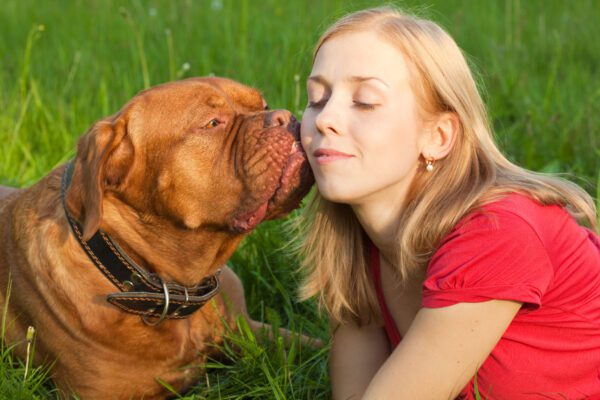
Owning a Dogue De Bordeaux in New York comes with its unique set of pros and cons. On the positive side, their calm and affectionate nature makes them great companions in a busy city environment. Their large size, however, can be a challenge in smaller apartments, requiring space and regular exercise in nearby parks. The breed’s health considerations mean regular vet visits are essential, but New York’s excellent veterinary services can meet these needs.
Overall, the Dogue De Bordeaux adapts well to life in New York, thriving in spaces where they can lounge and go for daily walks. The breed’s relaxed temperament suits the city’s lifestyle, provided they receive adequate care and attention. With the right resources and commitment, a Dogue De Bordeaux can flourish in New York, bringing joy and companionship to their owners.
What should I know before adopting a Dogue De Bordeaux in New York?
Before adopting, consider the breed’s size and health needs. They require space and regular vet care, both of which are accessible in New York.
Are Dogue De Bordeauxs suitable for apartment living in New York?
Yes, they can adapt to apartment living due to their low energy levels, but they need regular walks in parks like Central Park to stay healthy.
Where can I find a Dogue De Bordeaux to adopt in New York?
Dog Academy is your best resource for finding adoptable Dogue De Bordeauxs in New York, offering a comprehensive platform for listings and adoption advice.
Do Dogue De Bordeauxs do well with children in a city environment like New York?
Yes, their gentle and protective nature makes them excellent with children, but supervision and training are recommended to ensure safe interactions.
What are the exercise needs of a Dogue De Bordeaux in New York?
They require moderate exercise, such as daily walks in local parks, to maintain their health and prevent obesity.
How does Dog Academy assist with training Dogue De Bordeauxs in New York?
Dog Academy provides tailored training programs for Dogue De Bordeauxs, ensuring they adapt well to New York’s urban lifestyle and meet behavioral expectations.

Introducing a new puppy to your current dog is often an exciting process, and many dogs will become fast friends and eas...
Read More
Rescue dogs can make great companions and can transform your home into something better. These dogs make great pets and ...
Read More
You should never rush to pet a dog. Even dog owners make the mistake of approaching unfamiliar dogs and petting them rig...
Read More
Puppy mill dogs are survivors who have endured extreme hardships in their lives. They have grown up in horrendous, unsan...
Read More
With their wagging tails and comforting presence, adopting a dog can add a unique touch to your life. It’s a heart...
Read More
Older dogs may have a few gray hairs around the edges, but that doesn’t mean they can’t make wonderful companions! T...
Read More